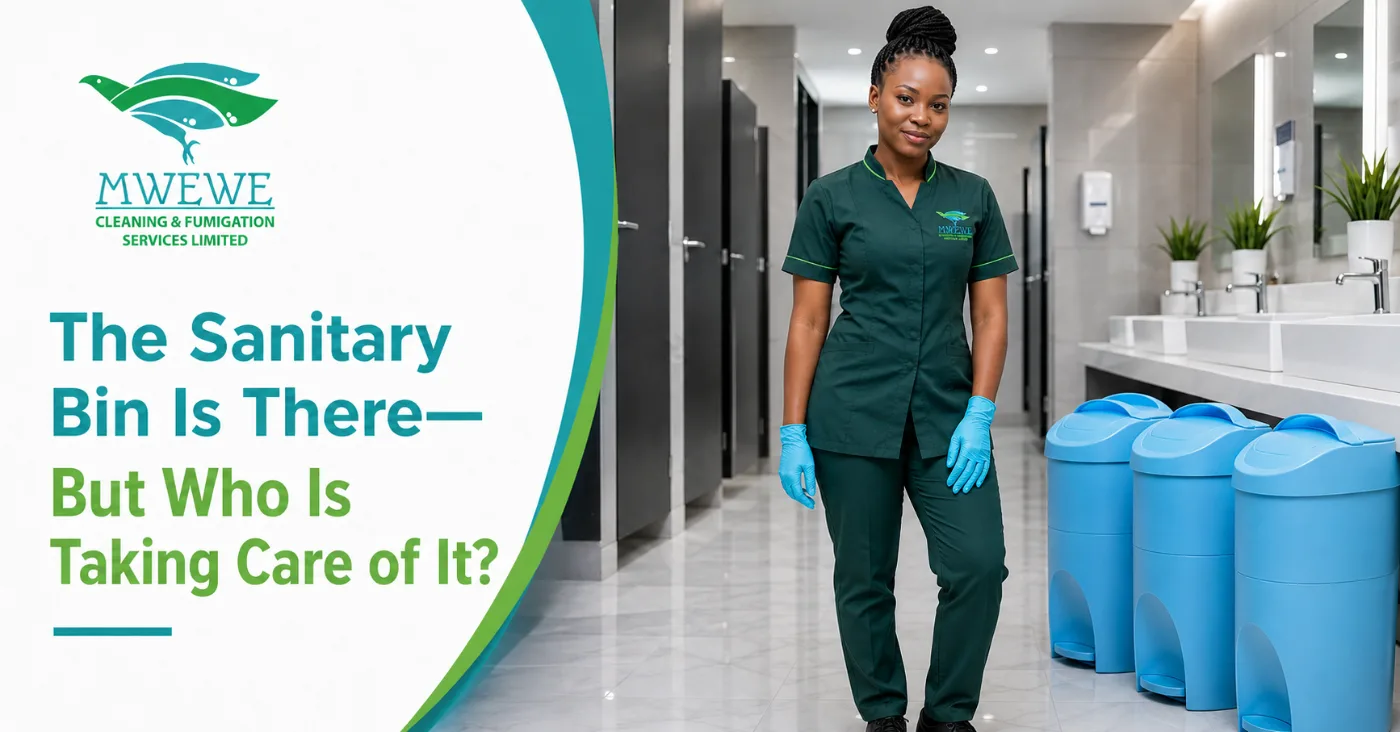
The Bin Is There… But Is It Being Taken Care Of?
Why regular sanitary bin servicing keeps your washroom fresh, clean and comfortable
The sanitary bin is there.
Tucked neatly in the corner. Quiet. Unnoticed.
Exactly how it should be.
But while everyone remembers to clean the sinks, toilets and floors, who is taking care of the sanitary bin?
Because simply placing one in the washroom is not enough.
It Has a Bigger Job Than You Think
A sanitary bin provides women and girls with a private and comfortable way to dispose of sanitary waste. It also helps prevent sanitary products from being flushed down toilets and causing blockages.
In busy offices, schools, hotels, restaurants and public spaces, these bins may be used many times every day.
That means they need regular attention too.
The Bin Will Not Remind You
Sadly, sanitary bins do not send emails saying:
> “Hello, I am almost full.”
They wait quietly until someone notices the smell, the overflow or the uncomfortable washroom experience.
By then, the service is already late.
A good sanitary bin service should be almost invisible. The bin is emptied before it becomes full, cleaned before it develops odours and maintained before anyone has a reason to complain.
Emptying Is Not Enough
Proper sanitary bin servicing should include:
* Regular collection
* Cleaning and disinfection
* Fresh liners
* Odour control
* Discreet waste handling
* A servicing schedule suited to the number of users
A small office cannot have the same servicing needs as a busy school, hotel, restaurant or airport. The schedule should match the actual washroom traffic.
Your Washroom Is Part of Your Reputation
A customer may enjoy your food but still remember the washroom.
A hotel guest may love the room but notice poorly maintained facilities.
An employee may work in a beautiful office but feel that basic washroom needs are being ignored.
Clean washrooms show that an organisation cares about comfort, privacy and dignity.
Sanitary bin servicing may seem like a small detail, but small details are often what people remember.
Trusted to Take Care of the Bin
Mwewe provides sanitary bin services to organisations across Kenya’s hospitality, education, banking, telecommunications, aviation and corporate sectors.
Our clients include Java House Africa, Artcaffé Coffee & Bakery, Citi Bank, Sanlam Kenya, The Boma Hotels, Nova Pioneer Schools, Safaricom, Airtel Kenya and Kenya Airports Authority, these among the many.
We understand that every facility has different needs, which is why our servicing plans are based on the size, usage and activity of each location.
So yes, the bin is there.
Now let Mwewe make sure it is being properly taken care of.
Contact us today:
https://mwewecleaning.co.ke
Call: +254 716 545488 / +254 785 466155
Location: Muhuri Road, off Waiyaki Way
Services: Cleaning | Sanitary Hygiene | Pest Control | Fumigation